How the Top 10% of Real Estate Agents Think
In real estate, a relatively small percentage of professionals handle the overwhelming majority of transaction volume. That is not because they have some secret nobody else can access. It is because they operate with more focus, more intention, and more structure.
The top performers do not wake up every day wondering what they should do. They know where they are going, they have their calendar locked in, they execute income-producing activities, and they leverage technology to make the process simpler. This is the blueprint for building a real estate business that can start, ramp, and scale.
Table of Contents
- The Three Pillars of Success for Top-Performing Real Estate Agents
- Build a Vision-Driven Mindset for Real Estate Success
- Master Your Real Estate Calendar for Peak Productivity
- Focus on Income-Producing Activities That Grow Your Real Estate Business
- Build a Real Estate Sales Funnel With Content and Technology
- Delegate, Build a Real Estate Team, and Enjoy the Journey
The Three Pillars of Success for Top-Performing Real Estate Agents
After being in real estate for more than a decade, meeting thousands of agents, hosting hundreds of conversations through Real Estate vs. Technology, and working with agents across the country, the pattern is clear. High production is not random. It starts with three pillars:
- Mindset
- Organization through time blocking and systems
- Focused execution of income-producing activities
Everything else builds on top of those three things. Lead generation, passive prospecting, content creation, referral business, websites, follow-up, teams, and automation all work better once the foundation is right.
A lot of agents are busy, but busy does not automatically mean productive. We can run from appointment to appointment, answer every call immediately, make ourselves available at every hour, and still feel like we have no control over our business.
Top producers approach it differently. They know what they want. They decide which activities matter. Then they build the process around that destination.
Build a Vision-Driven Mindset for Real Estate Success
Mindset is not just positive thinking. It is having a specific destination in mind and behaving like the person who is capable of getting there. If we want different results, we have to get clear on what those results actually are.
That might mean having a vision board, setting a production target, defining a lifestyle goal, or identifying exactly how many families we want to serve in the next 12 months. The clearer the target becomes, the easier it is to make daily decisions that support it.
1. Set goals that are specific enough to guide action
We have to know what we are building toward. Do we want to serve 12 families this year, 24, 36, or 100? Do we want more freedom? More referral business? A business that generates conversations through content while we are focused on serving clients?
A vague goal creates vague activity. A specific intention creates a plan. When we know the number of families we want to serve, we can start working backward into the prospecting, marketing, follow-up, and appointments required to make it happen.
2. Be proactive instead of reactionary
High performers think ahead. They ask what the best agents and business owners in their market are doing, then they look for ways to replicate and improve the process.
Being reactionary means our day gets controlled by texts, fires, interruptions, and whatever someone else needs from us. Being proactive means we decide in advance when we will create content, prospect, follow up, meet clients, work open houses, network, and review our numbers.
3. Get around people who are already where you want to go
Our environment matters. If there is an agent in our office or market who has built the business we want, we should find a way to learn from them. Ask for a day in the life. Interview them. Pick their brain. Study how they structure their time and lead generation.
As our mindset shifts, the people around us may shift too. That is normal. Focused people tend to spend more time around other focused people. We want to be in rooms where ambition, consistency, and high standards are the norm.
Master Your Real Estate Calendar for Peak Productivity
Once we know where we want to go, organization becomes the next pillar. Our calendar is where intention turns into real life. If an activity matters, it should have a place on the calendar.
Time blocking is the difference between saying we want to prospect or create content and actually doing it consistently. We block time for the things that move the business forward, not only the things that feel urgent in the moment.
A structured week can look different for everyone, but the principle stays the same. We might dedicate one day to filming content, another to follow-up and sales calls, another to podcast production, and another to team check-ins or planning. The point is not to copy someone else’s exact routine. The point is to build a routine we can honor consistently.
We also need to protect personal priorities. Health, family, exercise, meals, and downtime deserve intentional space too. A strong calendar makes room for a strong business and a life outside the business.
Use booking automation to protect your time
A scheduling tool such as Calendly can remove the constant back-and-forth of finding a meeting time. Instead of manually coordinating every conversation, prospective clients can choose from the availability we have already decided to offer.
This also allows us to set healthy client expectations. We can tell clients that showings happen during specific blocks, consultations happen on designated days, and appointments are available at times that work for the business. Being organized does not mean being less available. It means being reliably available in a way that protects our ability to serve everyone well.
Create repeatable operating procedures
Top performers understand SOPs and KPIs.
- An standard operating procedure is the repeatable process for completing an activity, such as following up with a past client, publishing a video, hosting an open house, or onboarding a new lead.
- A key performance indicator is the measurement that tells us whether the process is working.
For example, if follow-up is an important part of our business, we should not leave it to memory. We need a documented process: who receives follow-up, how often we reach out, what happens after a response, and where that interaction gets tracked. Then we can measure the activities and outcomes that matter.
Systems make consistency easier. They also make delegation possible later, because someone else cannot reliably help us with a process that only exists in our head.
Focus on Income-Producing Activities That Grow Your Real Estate Business
Mindset and calendars are powerful, but they only matter when we execute. The third pillar is doing the activities we blocked, following the process, and staying focused on what actually creates conversations and opportunities.
Income-producing activities can include:
- Following up with past clients and contacts in our database
- Making prospecting calls
- Creating and publishing useful local real estate content
- Hosting open houses
- Networking and building relationships
- Meeting with qualified buyers, sellers, and relocation prospects
- Tracking lead flow and conversion through clear KPIs
The formula is simple, but it requires discipline. When our calendar says it is time for follow-up, we follow up. When it is content day, we create the content. When it is time to review KPIs, we look at the numbers instead of guessing.
Build a Real Estate Sales Funnel With Content and Technology
Technology should not complicate the business. It should simplify the journey from attention to appointment. When someone finds us through YouTube or social media, we want to give them a next step that matches what they are interested in.
That begins with knowing our avatar. Are we speaking to buyers, sellers, people relocating to the area, downsizers, probate prospects, or for-sale-by-owner leads? The content and landing page should connect directly to that person’s need.
For example, a relocation video should guide people to a relocation page where they can get more local information or download a relocation guide. Buyer content should lead to a buyer resource. Seller content should lead to a seller page. The message, resource, and call to action should all align.
This creates a real passive prospecting strategy. We put out content that answers common questions, direct people to a helpful website resource, collect their information through a guide or form, and make it easy for them to schedule a meeting.
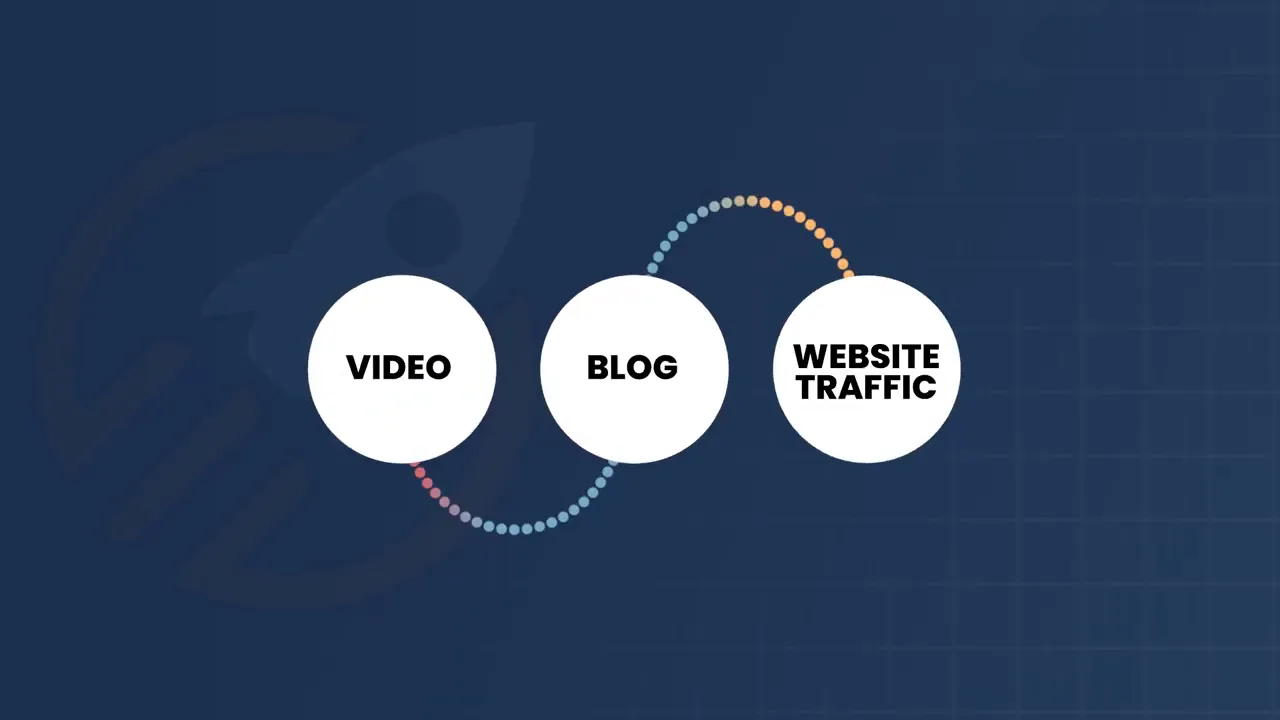
One example is an agent in the Dallas Fort Worth market who films desk-based educational content and property walkthrough tours. Each video becomes a blog post on the website, which helps drive traffic to useful location-specific resources. People can download a relocation guide, learn about the area, and automatically schedule a conversation. That kind of connected system supported $36 million in production.
Content is not just content when it is attached to a process. It becomes a business asset that can continue bringing people into our world long after it is published.
Keep the resources simple and accessible
We do not need to build a complicated maze. A clear website, useful guides, relevant pages, an easy scheduling path, and consistent follow-up can go a long way. People should be able to quickly understand what we do, who we help, and what their next step is.
Delegate, Build a Real Estate Team, and Enjoy the Journey
The ultimate purpose of organization and systems is not to create more work for ourselves. It is to create more work-life balance, more freedom, and eventually more delegation.
As we grow, we should regularly make two lists:
- Things we want to do and are aligned with
- Things we do not want to do or no longer need to own personally
That second list becomes the starting point for delegation. Editing content, administrative tasks, transaction support, scheduling, website updates, and other repeatable activities can eventually be handled by a team or trusted partners. We cannot scale a business if every single task requires us personally.
At the same time, we have to remember why we are doing this. Hitting a production number is great, but getting there without a life outside of work is not the point. Find a hobby. Hike, bike, swim, work out, travel, take photos, enjoy cars, enjoy food, whatever brings us back to ourselves.
Document the journey too. Share what we are learning, post the content, tell the stories, and allow our progress to inspire other people. The best real estate businesses are built with deliberate action, but they are sustained by enjoying the process along the way.
That is big money energy. We operate from the future version of ourselves. We ask how that person would show up, how they would interact, and what they would do today. Then we do the next right thing on the calendar.
If you’re ready to build better systems, create more consistent lead generation, and use content and technology to grow your real estate business, it starts with a clear strategy. Book your no-obligation strategy call today and let’s talk about where you want to go and how to build a system that helps you get there.
Frequently Asked Questions
What are the three pillars of a top performing real estate business?
The three pillars are a vision-driven mindset, organization through time blocking and systems, and consistent execution of income-producing activities.
What should real estate agents time block?
Time block prospecting, past-client follow-up, social media and video content creation, open houses, networking, appointments, team meetings, and personal priorities.
What are SOPs and KPIs in real estate?
SOPs are standard operating procedures that document how recurring work gets done. KPIs are key performance indicators that measure whether those processes and activities are producing results.
How can video content generate real estate leads?
Create content for a clear audience, such as buyers, sellers, or relocation clients, then direct people to a related website page, downloadable resource, or appointment scheduling link. Converting videos into blog posts can also help drive website traffic.
Read More: Stop Chasing Leads: Let YouTube Bring Real Estate Clients to You
We specialize in working with real estate agents and teams to build local authority. We do this through creating and managing your brand, website, video and social presence.
We'd love to chat and show you how you can dominate your local market and avoid wasted marketing dollars.
Subscribe to Newsletter