We Asked Strangers What Would Make Them Trust and Choose a Real Estate Agent
We went out with a simple premise. Before you pitch, before you optimize, before you guess what people want, ask them.
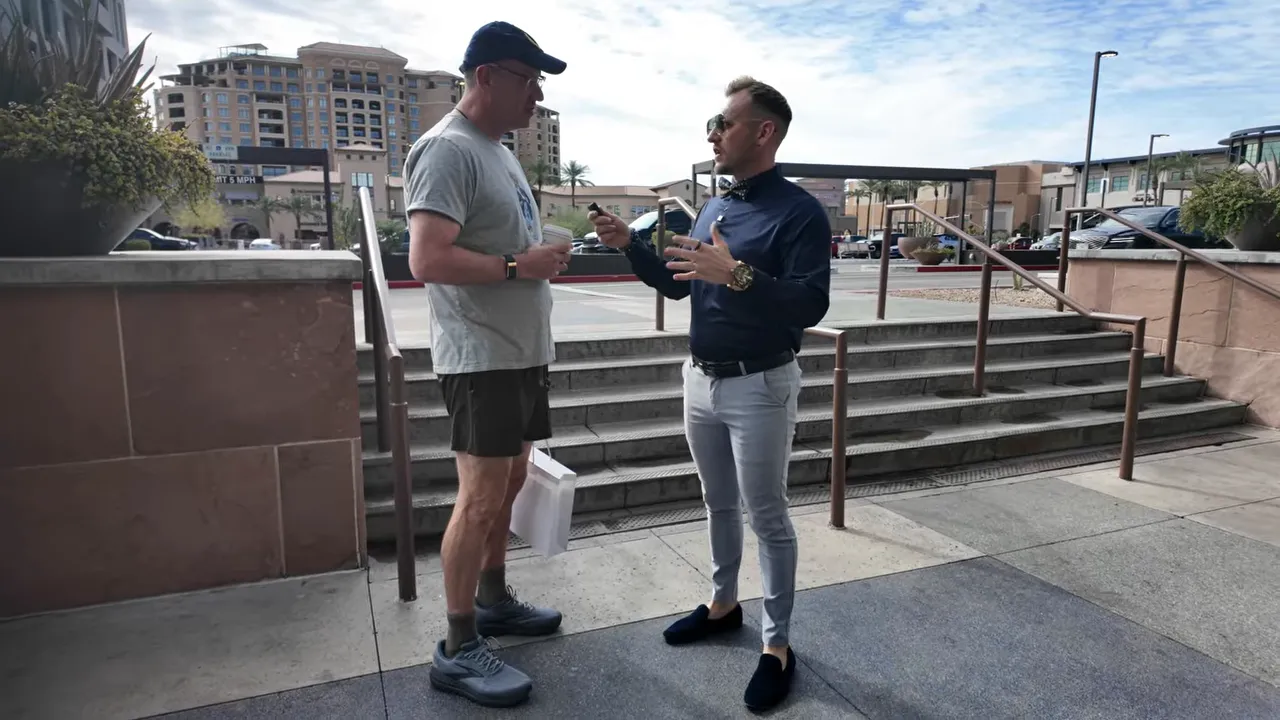
So we hit the streets in Scottsdale Arizona and interviewed random renters and homeowners about homeownership and real estate agent loyalty. Not with theory. With direct questions. The responses were eye opening, and they point to a few very practical ways real estate marketing and agent branding should evolve right now.
Table of Contents
- What Buyers Actually Look for When Choosing a Real Estate Agent
- Real Stories From Renters Thinking About Buying a Home
- Why Homeowners Remember (or Forget) Their Real Estate Agent
- The Trust Gap: What Makes People Contact a Real Estate Agent
- Why Evergreen Real Estate Content Builds Long-Term Trust
- Why Vendor Recommendations Build More Trust Than Real Estate Ads
- How Real Estate Agents Earn Client Loyalty and Repeat Business
- Real Estate Marketing Checklist for Agents Who Want More Referrals
- FAQs About Choosing and Trusting a Real Estate Agent
- Final Thoughts: How Real Estate Agents Build Trust With Buyers and Sellers
What Buyers Actually Look for When Choosing a Real Estate Agent
We expected to hear a lot of the usual stuff. Price. Interest rates. “I just cannot afford it.”
Yes, some people said those things. But the bigger pattern was something else: most people do not want vague motivation. They want clarity, timing, and confidence. They want to know what the next step looks like, what it costs, and what to do when life happens.
And when we asked questions like whether they rent or own, and what holds them back from buying, we kept hearing different flavors of the same issue. The housing process can feel permanent, confusing, and risky. And if your marketing does not reduce that friction, people will not remember you at the exact time they need you.

Real Stories From Renters Thinking About Buying a Home
One of the most useful insights was realizing that renters are not a single segment. They are different in their motivations, fears, and timelines. Here are a few clear patterns we heard on the street.
Renters who like freedom and flexibility
One renter told us they are not held back by a specific problem. They simply like the freedom of being able to move.
That mindset is real. If an agent marketing strategy only talks about “homeownership is the dream,” it misses what this person values today. For them, buying feels like trading options for permanence.
Marketing implication: build messaging that respects mobility. Talk about planning, readiness, and how to make a decision that still fits their lifestyle. Do not treat every renter like they are merely delaying.
Renters who feel income pressure but still want the path
Another person said they want to buy, but they feel like what they earn will not cover the reality of buying costs. We followed up with education as a potential solution.
When we asked about the idea of “education on social media” that could help someone buy with “little to next to nothing down,” and still get a payment similar to rent, they said yes.
Marketing implication: people respond to actionable education. Not hype. Not shame. Give them a pathway that connects today’s budget to what “next step” means.
Renters who love their career but think it will never pay enough
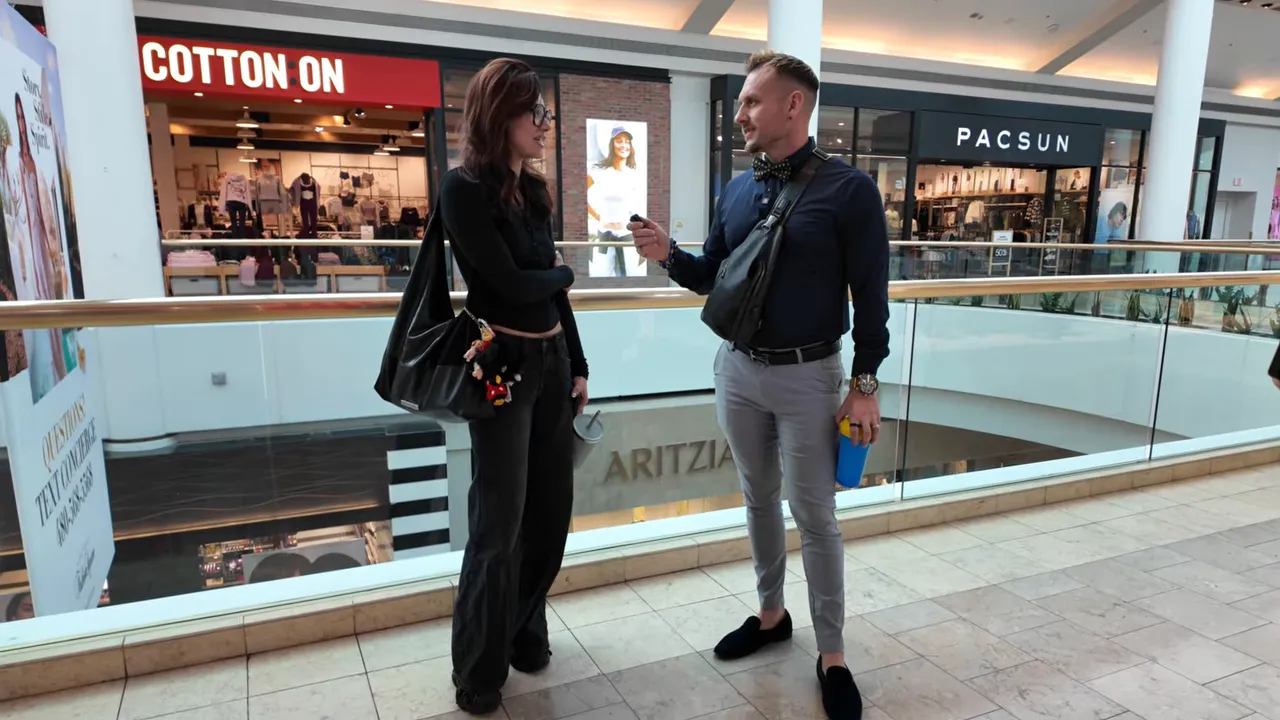
We also met a professional dancer. She explained that she cannot “afford to buy” because her work does not generate the kind of income she assumes banks require.
But what stood out was how she framed it. She was not asking for a handout. She was saying she wants to stay happy and passionate, and she needs a plan to translate her lifestyle into financial success.
Marketing implication: address confidence and monetization. If your content only shows affordability numbers without helping buyers connect their income story to a buying plan, you will lose people who need reassurance and strategy.
Renters who want details that match their lifestyle
A college student described exactly what information he needs online. Price and basics matter, but so do practical details like square footage, bed to bath ratio, and how the home fits roommates.
In other words, people want content that speaks their language. They are not only thinking about mortgages. They are thinking about where they will live, who they will live with, and how they will feel day to day.
Marketing implication: create local market education that answers real questions like bed to bath preferences, typical home layouts, and what it costs to live near major areas like ASU.
Why Homeowners Remember (or Forget) Their Real Estate Agent
We assumed homeowners would remember their agent. Some did. Some even praised the experience.
But we also heard something that should scare every agent who relies only on referrals. One homeowner said they could not remember their realtor’s name. Another said they had loyalty to a familiar agent, but when asked follow up questions, the details just were not there. And one person forgot what “escrow” even is, even though they had gone through the process years ago.
That is the real takeaway. People do not only forget names. They forget the process. They forget the steps. And when they forget what the agent helped with, they do not know who to call next.
Great agents do more than transactions
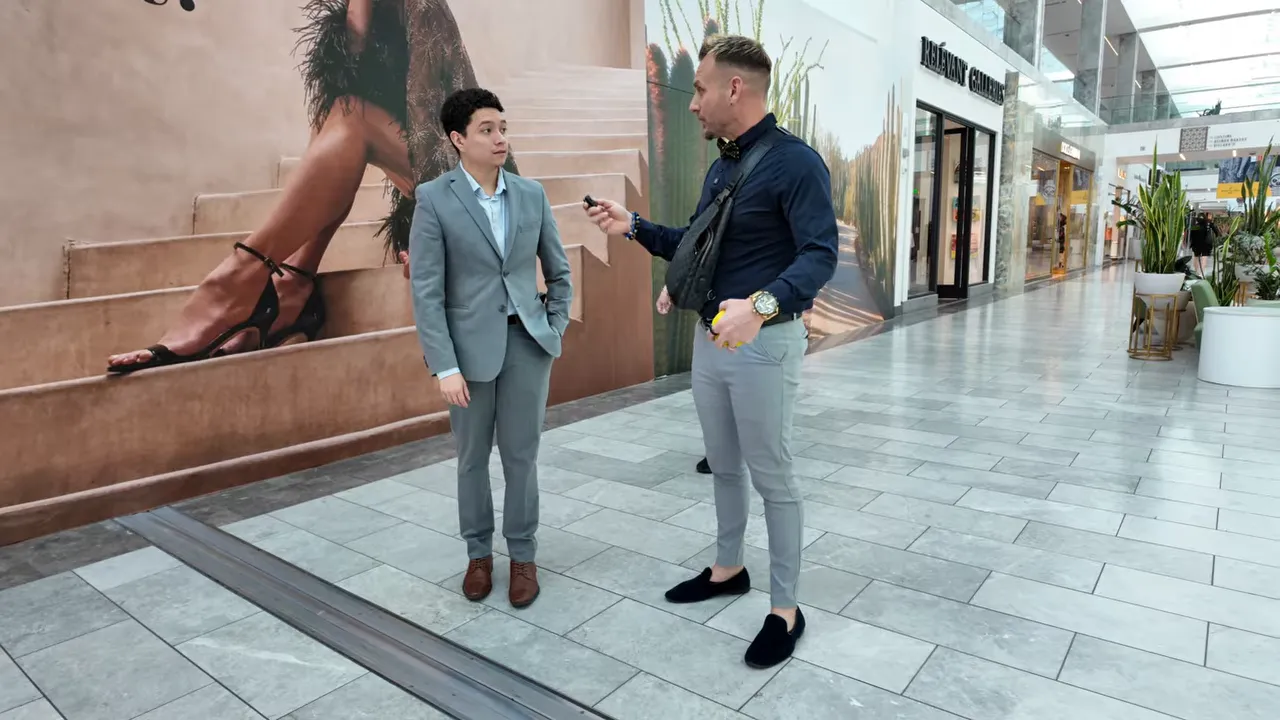
One homeowner had a sharp contrast. Their first realtor did not deliver. The buyer did their own research for almost three years. Then they moved to a new realtor, got their dream home in two months, and described the agent as fantastic.
But the most telling detail was what kept the realtor top of mind after the deal. The agent checked in, sent links, and even connected them with vendors like landscapers. This homeowner liked having a list of resources when “something goes wrong” with the home.
Marketing implication: post close value is not a nice bonus. It is part of building trust and memory.
Agents get remembered when they stay connected
Even when someone forgot the name at first, they remembered the relationship after it was triggered by details like family friend, check ins, and practical help.
So the goal is not just “get their attention.” The goal is “make yourself easy to remember when it matters.” That usually requires consistent touchpoints that are useful, not annoying.
The Trust Gap: What Makes People Contact a Real Estate Agent
At the center of everything we heard was a trust gap. People trust and choose an agent when they believe:
- You understand their current situation(rent, roommates, career income, timeline).
- You can reduce uncertainty with education and clear steps.
- You stay present after the transaction through follow up and resources.
- You are credible locally with details that match their city and lifestyle.
And one more thing: trust is rarely built by persuasion alone. It is built by friction reduction.
When we asked what would be helpful, one response was simple: “Information.” Another suggested more area information. That is not a demand for complicated tech. It is a demand for clarity.
Why Evergreen Real Estate Content Builds Long-Term Trust
One of the biggest marketing lessons we pulled from the street interviews involves timing. Some people will not buy for years. That means they will not see you at the exact moment they are ready.
If your brand only shows up when a lead appears, your content strategy will not work long term.
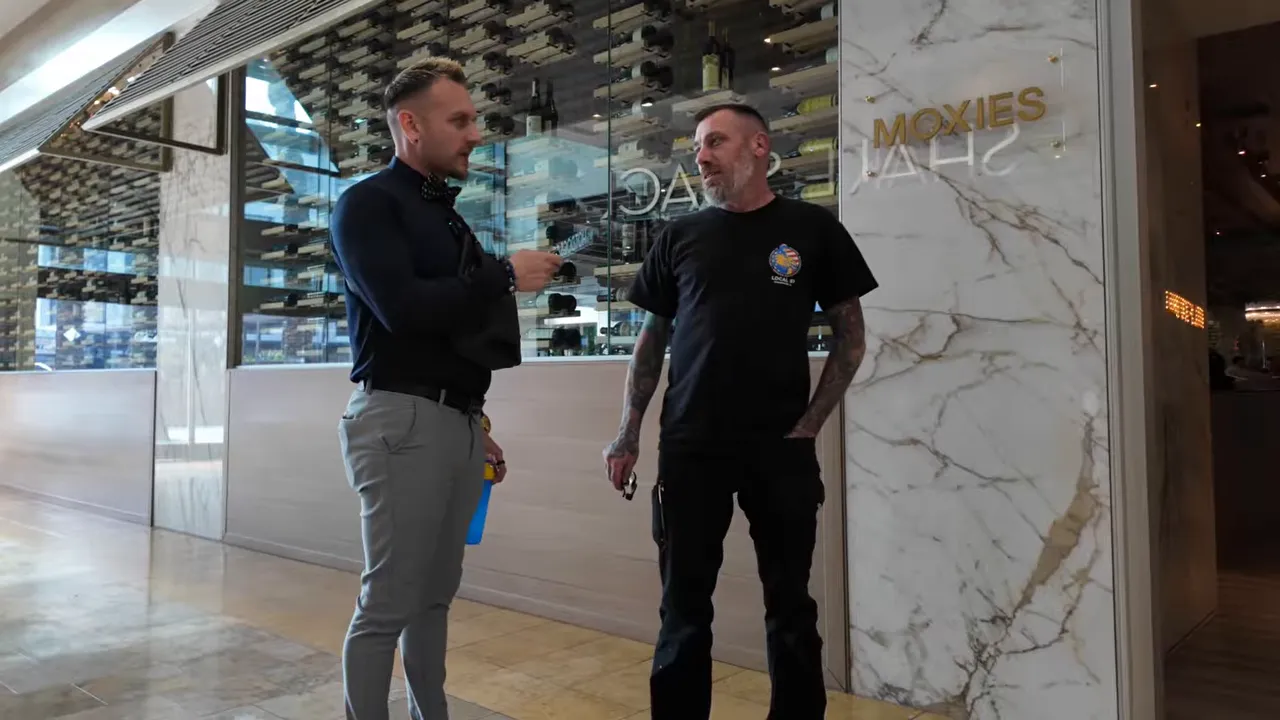
The college student we spoke to is a perfect example of why evergreen content matters. He was probably not buying immediately. But he would search online when the time approached. He would want to compare home prices, typical layouts, and budgets after pre qualification.
Evergreen content is what fills the gap between curiosity and commitment. It builds familiarity and reduces the “where do I start” panic.
What evergreen content should cover for renters
- First time buyer basics explained in plain language
- Rent vs buy scenarios using local examples
- Down payment myths and realistic pathways
- Local market education like what homes cost and common layout types
- Roommate friendly home options like bed to bath considerations
What evergreen content should cover for homeowners
- Vendor and maintenance resources because something always goes wrong
- Home improvement guidance that feels useful, not salesy
- Relocation and selling education for when they start thinking about a move
- Process reminders like what escrow is and why it matters
Why Vendor Recommendations Build More Trust Than Real Estate Ads
Most people do not choose an agent because of one clever tagline. They choose because the agent makes their life easier.
The homeowner who praised their realtor mentioned vendor links and check ins. That is the kind of ongoing value that makes trust tangible. When you have a “vendor list” ready to go, you stop being just a salesperson. You become a resource.
Practical idea: create content and assets that help homeowners even after closing, such as lists of vetted vendors and guidance on what to do when something breaks or needs attention.
How Real Estate Agents Earn Client Loyalty and Repeat Business
One of the most direct statements we heard was about loyalty. Some people said they use family friends first because they already have trust built in.
That is not a marketing strategy. It is a starting point. The real problem is that people cannot remember the agent name later if the relationship goes quiet.
So loyalty has to be earned again through consistent value.
Lower the friction to stay in touch
If the only time you communicate is at transaction milestones, your brand fades. Instead, build a cadence that includes useful updates. Emails with links. Local market insights. Maintenance reminders. Vendor spotlights.
When those touchpoints are helpful, they do not feel like marketing. They feel like support. And support is what people remember.
Make yourself “top of mind” with content they actually want
In our interviews, none of the people described watching a specific agent online and thinking “I will call him when I buy.” That does not mean content does not work. It means most agents are probably not creating content that is specific enough to match a real person’s immediate pain point.
Information wins. Not generic inspiration.
Real Estate Marketing Checklist for Agents Who Want More Referrals
Based on what we learned, here is a straightforward checklist you can use to tighten your strategy.
1 Create content for each stage of the journey
- Renter education for “How do I buy with my budget” questions
- First time buyer guidance for “What do I do next” questions
- Homeowner value for “What do I do now” questions
2 Build evergreen topic clusters
- Rent vs buy scenarios in your local area
- Down payment options and realistic pathways
- Local home layout education like bed to bath considerations
- Buyer process explainers like escrow and what happens when
- Vendor resources and home maintenance guides
3 Turn practical help into marketing assets
- Create vendor lists for landscaping, repairs, and inspections
- Use check ins after closing to send links to useful resources
- Offer downloadable guides tied to content topics
4 Follow up like a human not a funnel
If you only follow up to “generate leads,” people will feel it. If you follow up to solve problems, people remember you.
FAQs About Choosing and Trusting a Real Estate Agent
What should renters want most from an agent?
Renters typically want clear information and confidence. That includes education on how the buying process works, what costs look like locally, and realistic pathways that align with their income and lifestyle.
What information makes people trust you enough to call?
People trust details that match their life. Examples include local pricing and home layout basics, step by step buying explanations, and practical resources like vendor lists and what to do when issues come up.
Does content really work if they are years away from buying?
Yes. Evergreen content keeps you present during the waiting period. When someone decides to buy later, they often search for local numbers and process clarity, and they need a familiar source.
What should homeowners be able to find from an agent online?
Homeowners benefit from process reminders and ongoing value, like maintenance guidance, vendor recommendations, and relocation or selling education when they start thinking about their next move.
How do we build agent loyalty after the deal?
Stay in touch with useful check ins, links to helpful resources, and a consistent cadence. Loyalty grows when your support continues after closing, not only during the transaction.
What if people cannot remember our name?
Focus on making your value easier to recall. Use content that ties your brand to specific outcomes like escrow education, local market answers, and vendor support. When the memory hook is clear, people can remember you even if they forget the name at first.
Final Thoughts: How Real Estate Agents Build Trust With Buyers and Sellers
Homeownership is called the American dream for a reason. But trust is not a dream. Trust is something people build with information, consistency, and practical support.
When we asked strangers what they need to trust and choose an agent, the answers pointed in one direction. Agents win by reducing friction and increasing clarity across both renting and owning.
If we can do that, people do not just “hear” us. They remember us when it is time to buy or sell.
Ready to turn these insights into real results for your real estate business?
Don’t wait for leads to find you—start building trust, authority, and client loyalty today. Schedule your free strategy call now and discover how to create a marketing plan that actually converts followers into closed deals.
We specialize in working with real estate agents and teams to build local authority. We do this through creating and managing your brand, website, video and social presence.
We'd love to chat and show you how you can dominate your local market and avoid wasted marketing dollars.
Subscribe to Newsletter