Your Real Estate Website Should Be Doing More Than Just Showing Listings
Are you spending your days answering the same questions over and over? Most agents focus on calls, texts, emails, and follow-up. But what happens before that potential client actually speaks with you? Are you educating buyers and sellers, answering their questions, and building trust before you ever pick up the phone?
What if your website marketing could do some of that work for you? Instead of chasing every lead and repeating yourself, you could build a system that educates people, captures their information, and qualifies them before your first conversation. That's what a real estate sales funnel does, and it's what we're breaking down today.
I want to show you how to create dedicated buyer and seller funnels, use high-value guides and landing pages, automate your follow-up, and leverage retargeting to stay top of mind. The goal is simple: work smarter by educating people before you speak with them, so when you do connect, they're already informed and ready to move forward.
Table of Contents
Where Are You Driving Your Leads?

Let me ask you: where are you currently getting your leads? Maybe it's your sphere of influence, email marketing campaigns, calls, texts, follow-up, networking, open houses, direct mailers, door knocking, social media, or YouTube. The real question I have for you is, where are you driving all of these people in your ideal client journey?
Are you telling them to go to your social media? Your YouTube? When someone meets you at an open house, what are you telling them to do next? When it comes to your website and landing pages, how are you driving traffic there? Think about buyer pages, seller pages, community pages, lead capture, high-value guides, intake forms, automation, follow-up texts, retargeting, prequalification, and educating prospects that are ready to talk to you. The list goes on and on.
You want to identify your ideal client, and that comes down to who's your ideal buyer, who's your ideal seller, and what challenges are they facing. Then ask yourself: what questions could they be thinking, and could you be answering those questions before you actually meet with them? You want to make sure you understand who you're marketing to and, more specifically, where you're driving your ideal clients. So you can have more success and you can build the know, like, and trust on autopilot.
Because even if you meet with someone, make sure that you have a funnel and that you are driving them somewhere. If you meet someone at a networking event, what does that look like? Are you telling them to follow you on social media? Are you sending them to a specific page? Right. So let's go through and go deeper into different types of individual prospects that you could be marketing to.
Identify Your Ideal Buyer and Seller
Let's identify a target demographic to help you develop funnels and have more success with this process. You need to know who you're talking to before you can build a system that works.
Start with your seller audience . You have downsizers, people looking to downsize who want to sell their home. You might have distressed property owners who potentially want to sell their home. You might have someone that wants to move up, a move-up seller that wants to get a larger home. You might have homeowners that also want to invest in other properties, or they want to sell their home because they want to get into investment opportunities.
Now think about your buyer audience . You have first-time homebuyers, relocation buyers, move-up buyers, and real estate investors looking to buy potential investment properties. You also have house hacking. House hacking could be something that someone doesn't know about that you can potentially educate them on. That's what my wife and I are currently doing here to help with the opportunity of saving on our monthly costs of the home.
Once you identify the type of buyer or seller you want to attract, you can put out content and then drive them to your funnel with high-value guides, intake forms, and additional information like YouTube videos. And then if they get into your email marketing campaign because they download something on your page, they can automatically get a follow-up sequence. Plus they can schedule a meeting with you, which would also be a good idea.
Building a Seller Lead Funnel
So what does the seller funnel include? You want dedicated seller landing pages, actual guides, and intake forms specifically for sellers. They could have a home evaluation. That's another thing that you could do so you can add more value. And then imagine having a QR code going directly to a specific page to add more value. And then you could also be able to do more with retargeting from that page.
If someone goes to that page, you're answering their questions, they now want to work with you, then you could be able to have more opportunities to drive traffic to that page and have more success. Let me give you an example. If you go to liftoffagent.com and I go down to one of our clients, we can specifically give you an example of what our current clients are doing right now to be able to drive more traffic to their website and have more success with their intake forms and the process of working with a seller.
If you go to Aundrea Dudik and we go to her seller page, the first thing she's doing is she currently has an intake form. A 3-minute intake form to find out if you're looking to buy or sell. We're talking selling, so we're going to sell. What is going to be your timeframe of selling? And then what is your specific budget? And then from there, tell me a little bit about your current home you're selling.
And then here is a seller guide that can be downloaded. So once a seller goes and downloads this form, they will be put into your email marketing campaign, text campaign if you have that already set up. They can also read your testimonials and then they can have some of their frequently asked questions answered. Here on their specific website, then they can get their home evaluation as well as scheduling a meeting automatically with Calendly.com. That is something to take into consideration when you are specifically working with sellers and how you would drive the conversation to a page as an example on your website.
Creating a Buyer Lead Funnel
Same strategy, different audience. When it comes to building a buyer funnel, think about what buyers need to know. Maybe buyers need to get prequalified and they need to understand what the home buying process looks like. What about down payment strategies, interest rates, what's affordable, what's not affordable, price points, where they want to be buying, your first investment property, what that looks like, house hacking like I just said, and then driving them somewhere.
Make sure that you have a buyer funnel. So after you identify the type of buyer you want to attract, you put out that content, then you can drive them to your buyer funnel with the high-value guides, with the intake forms, and with additional information like YouTube videos that they could watch. And then if they get into your email marketing campaign because they download something on your page, then they can automatically get a follow-up sequence with your email marketing campaigns. Plus they can schedule potentially a meeting with you.
Let me show you what an actual buyer funnel example looks like to give you a little bit more context. If we go back over to Aundrea Dudik and we go to the buy side, the buy side's also going to have some additional value as well. Within this section, you have a 3-minute form to be filled out, what that person is looking to do, buy a home. Do you know what areas you want to move to? Yes. What cities are you looking to get into?
FAQs to be answered. Also FAQs when it comes to Aundrea working with her preferred lender. And so that's going to be on there to give additional information with that. Also, she's talking about additional things on other videos, download the buyer resources that goes into the email marketing campaign. Then you have also your testimonials. And then you have FAQs that can be answered.
You can start searching for homes automatically. So even if that person is not prequalified, they don't have to spend time with you. But they can go ahead and start searching for homes around potential price points. And then down here, additional blogs toread, and then they can go ahead and schedule an automatic meeting with you on your calendar, which is super simple and really easy, pops up automatically on your website.
That was a seller example and also a buyer example and funnels that our clients are currently using. And Aundrea Dudik is now currently building multiple sites with us and she just had 6 transactions close in the past couple of months, all because of her YouTube channel, her website, and driving traffic to these funnels specifically.
Automating Your Real Estate Marketing
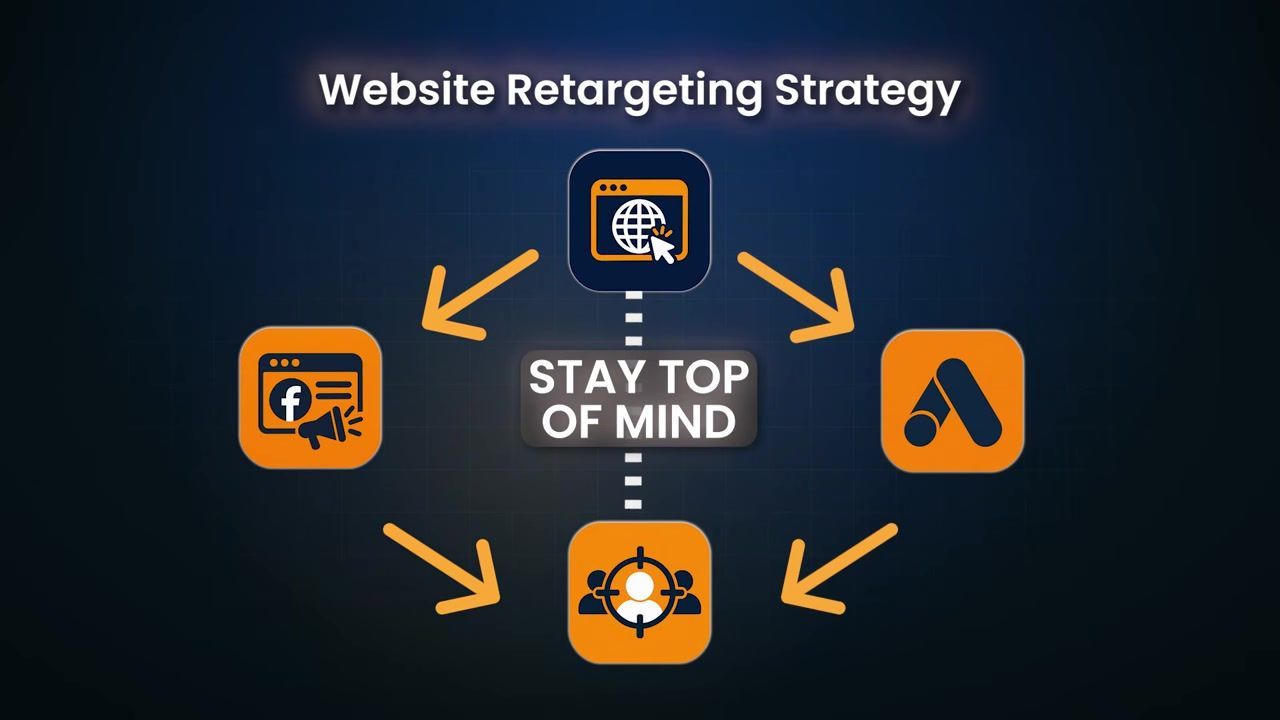
Now let's talk about automation and letting your marketing work for you before your actual next appointment, because that's exactly what you want technology to do for you, to help you be able to capture first name, last name, email, and also their phone number. When you have that information, then you basically give them high value for the exchange of their contact information. They go into your CRM system.
As soon as that lead goes into your CRM system, it could go into your buyer funnel, it can go into your seller funnel, and then they can get different emails and information for the buy side, for the sell side, for them to be able to maximize the opportunity of working with you in the future. Also, your website can retarget and then you can be able to plant a Facebook pixel to be able to track who goes to your website. And then you can then run Facebook ads and also Google ads to be able to keep top of mind and have something like a Remember Me campaign.
You want to make sure that you're building this so that you can have the compound effect and then you are literally going to be able to keep top of mind and keep the conversation going and be more proactive. And you don't technically have to call, text, email, or even have a conversation before they're ready.
Stop Answering the Same Questions
Big takeaway: I want you to be able to save time, build trust, and convert. Stop trying to answer every single text, call, and email to educate your clients, to identify if a buyer or seller is going to be a good fit. How about you go one-to-many with being able to identify your ideal avatar, driving traffic to your website, and then be able to create guides, answer questions, have buyer forms, seller forms, and automation and retargeting.
Then that way you can focus on meaningful conversations and appointments where you already know the individual's goals. You know if they're 3, 6, and 12 months out. You know if they're prequalified. You know what they specifically want to do, which is going to help you in the long term and in the way of being able to scale. If you want to build a team and do more with your company, you'll be able to scale, you'll be able to build a team, you'll have the leads, you don't have to think too much. It'll be easy peasy for you.
Make sure when you think about creating CTAs, you want to make sure that you have a better way to be able to attract buyers and sellers. You want to be specifically focused on a strategy to be able to attract that individual buyer and seller. Once you know who the ideal avatar is, it's super simple to be able to put out content, to be able to go through that process.
I want to be able to help you with this process as well. If you stayed to the end and read the entirety of this blog, you're a real one. Thank you so much. I hope this was helpful. And now I want to help you be able to set up a strategy call to go deeper into what does your current strategy look like, who's your ideal avatar, what do they look like, what are you currently doing with lead magnets and being able to give them additional value. Book a free strategy call with Liftoff Agent and let's explore what's possible for your business.
FAQ
What should I include on a seller landing page?
Your seller landing page should have a 3-minute intake form asking about their timeframe, budget, and current home details. Include a downloadable seller guide, testimonials, frequently asked questions, a home evaluation tool, and a way to schedule a meeting automatically with a tool like Calendly. The goal is to answer their questions and capture their contact information so they enter your email and text follow-up campaigns.
How do I create a buyer funnel that actually works?
Start with a 3-minute intake form asking what areas they want to move to and what cities they're considering. Offer a downloadable buyer resource guide, FAQs about the buying process and working with a lender, testimonials, and a home search tool so they can browse listings even before they're prequalified. Include videos that educate them on down payment strategies, interest rates, and the home buying process, and make it easy to schedule a meeting with you.
What is a lead magnet and why do I need one?
A lead magnet is a high-value guide or resource you offer in exchange for someone's contact information. It could be a buyer's guide, a seller's guide, a neighborhood report, or a blog series. You need one because it gives people a reason to share their name, email, and phone number with you, and it positions you as the expert who's already helping them before your first conversation.
How does CRM automation help me follow up with leads?
Once a lead downloads something on your page or fills out an intake form, they go into your CRM system. You can set up automated email and text campaigns that send them helpful information over time based on whether they're a buyer or seller. This keeps you top of mind without you having to manually send every message, and it educates them so when you do talk, they're already informed and closer to making a decision.
What is retargeting and how does it work for real estate agents?
Retargeting means showing ads to people who have already visited your website. You plant a Facebook pixel or Google tag on your site to track visitors, and then you can run ads on Facebook or Google that remind them about you. It's a way to stay top of mind with people who showed interest but didn't reach out yet, and it keeps the conversation going without you having to call or text them directly.
How do I know if my website funnel is working?
Track how many people are filling out your intake forms, downloading your guides, and scheduling meetings with you. If you're getting contact information and people are entering your email campaigns, your funnel is working. The real test is whether those leads are more educated and easier to convert when you do speak with them, and whether you're spending less time answering the same basic questions over and over.
We specialize in working with real estate agents and teams to build local authority. We do this through creating and managing your brand, website, video and social presence.
We'd love to chat and show you how you can dominate your local market and avoid wasted marketing dollars.
Subscribe to Newsletter