Your Personal and Professional Brand Are One and the Same
Too many real estate agents do this without even realizing it. We keep our business content in one box, and the real us in another. We post listings, market updates, open houses, and just enough polished material to look professional. Then we hide the stuff that actually makes us memorable.
That is usually the mistake.
If we want people to know us, trust us, and remember us when it is time to buy or sell, our content cannot feel generic. It has to feel like us. Not sloppy. Not random. Just real. The hobbies, interests, routines, and local spots we love are not distractions from our brand. They are the brand.
Table of Contents
- Why agents separate personal and professional content
- The rock concert example
- What we are probably hiding
- How to turn personal interests into real estate content
- Area content and passive prospecting
- Where to start if we feel stuck
- FAQ
Why agents separate personal and professional content
A lot of us were taught that being professional means being careful, polished, and neutral. We worry that if we show too much personality, we might turn people off. Maybe our music taste feels too loud. Maybe our hobbies seem too niche. Maybe our faith, family life, car obsession, travel habits, food choices, or weekend routines feel too personal for business.
So we strip all that out and end up with content that sounds like everybody else.
The problem is that bland content does not build connection. People do business with someone they feel familiar with. They want competence, yes, but they also want chemistry. They want to feel like they know who we are.
When we hide too much, we do not look more professional. We look less distinct.
The rock concert example
One of the clearest examples of this came from an agent who loves rock concerts. She had been keeping that part of her life completely separate from her real estate content because she assumed it would not land well, especially with an older client base.
That sounds logical on the surface. But it misses a big opportunity.
Instead of hiding the interest, we can build content around it. Imagine being at a concert and creating short form interviews with people there. Not awkward sales pitches. Just natural questions tied to housing and homeownership:
- Do they rent or own?
- How long have they lived in their current place?
- Do they remember the agent they worked with?
- What kind of local expert would they want helping them move?
Now the content has personality, context, and conversation. It does not feel staged. It does not feel like another agent pointing at countertops. It feels human.
And here is the deeper point. Someone at that concert may think, “I would absolutely work with an agent who gets what I am into.” Shared interests create instant familiarity. That is powerful.
What we are probably hiding
Most of us have something we enjoy that never shows up in our marketing.
Maybe it is golf. Maybe it is cars. Maybe it is concerts, nightlife, specialty drinks, off roading, church, fitness, food, or community events. The details differ, but the pattern is the same. We assume that if it is personal, it should stay out of business.
Not always.
The better question is this: What part of our real life could make our brand more authentic and more specific?
There is wisdom in being thoughtful. We do not need to post every opinion, every belief, or every private detail. But being strategic is different from being invisible. If we want to stand out, we need to stop sanding off every edge of personality.
Growth usually asks something uncomfortable from us. That is where the idea of pressure comes in. If creating stronger content requires us to show more of who we are, that tension may be the exact thing that leads to better results.
How to turn personal interests into real estate content
This is where things get practical.
We do not need to force our hobbies into content in a weird or artificial way. We just need to put ourselves in environments that naturally reflect what we enjoy and then connect that environment to real estate.
Golf
If we love golf and we are hosting an open house near a golf course, there is the angle. Film content at the course. Talk about the neighborhood nearby. Mention the lifestyle, the amenities, the proximity, and what type of buyer would love that area.
We could film a quick short at the course, then a longer local market video about the homes around it. Same interest. Same brand. Better story.
Cars
If we are into cars, go to a car show. Interview people. Ask community questions. Use the setting as the hook. The cars in the background will do part of the work for us because they create curiosity before we even say a word.
One example shared was building content around a real love for cars, including podcast interviews tied to car culture and real estate. That is not random. That is a niche personality bridge. It gives people more ways to remember us.

Everyday life
Sometimes the strongest personal branding is not a big hobby. It is simply showing that we are a real person. Family, travel, food, daily routines, behind the scenes moments, and story based updates all help round out the brand.
That does not mean posting aimlessly. It means letting people see enough of our life to trust that there is a person behind the business.
Area content and passive prospecting
One of the smartest ways to blend personal and professional content is through area content.
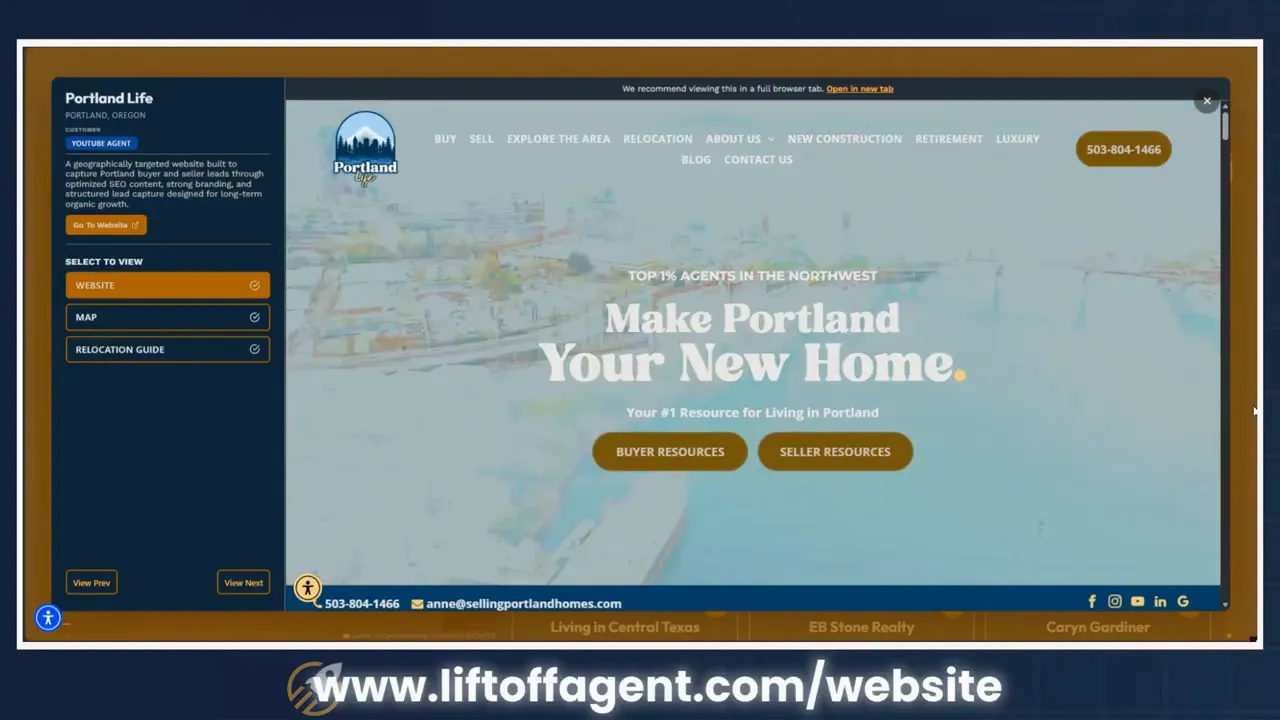
If we love where we live, that alone can become the foundation of the brand. We can become the go to resource for what it is like to live in our city, what there is to do, what neighborhoods fit different lifestyles, and where locals spend their time.
That is where passive prospecting gets really interesting. Instead of chasing people, we create useful content that attracts the right people over time.
If someone is searching for:
- best neighborhoods near golf
- concerts in town this month
- farmers markets in the area
- car shows nearby
- what it is like to live in Portland or Gilbert or any other market
and our content consistently answers those questions, we become the local guide they already trust before they ever reach out.
That can go deeper than social content too. One idea shared was creating a calendar of local concerts for the year and turning it into a refrigerator magnet. That is brilliant because it takes a personal interest and transforms it into something useful for the community.
We can build an entire local lifestyle brand this way. Not just homes. Not just stats. Lifestyle.
Why this works so well
Because like attracts like.
When we consistently show what we care about, we pull in people who care about similar things. If we are into new construction and keep talking about new construction, we become known for it. If we are the person who always knows what is happening locally, we become the trusted source for the area.
That is not a small shift. It can change the whole direction of a business.
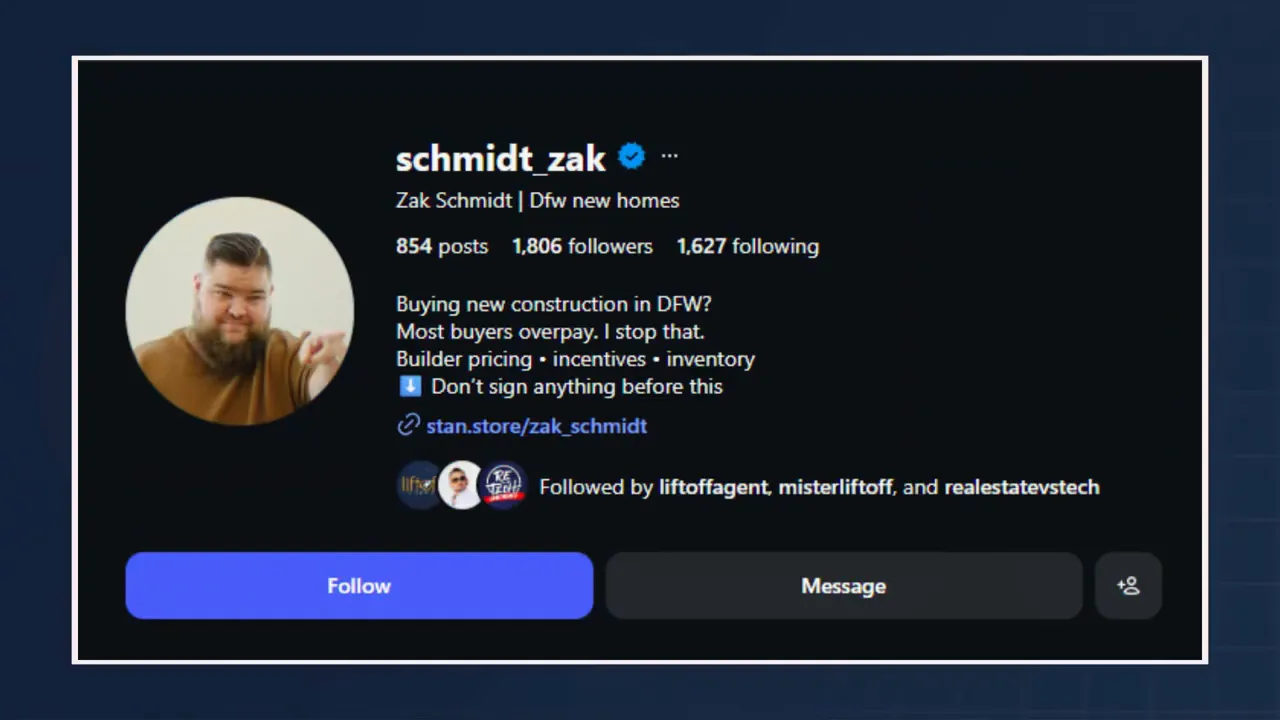
A strong example mentioned was a solo agent, Zak Schmidt, doing more than $36 million in production through YouTube and a passive prospecting approach centered on what he actually likes, specifically new construction. That is the point. The niche was not invented out of thin air. It matched genuine interest.
Where to start if we feel stuck
If this feels exciting but also a little messy, here is the cleanest way to begin.
- Open a document. Use Word, Google Docs, or whatever is easiest.
- List what we already enjoy. Hobbies, weekly habits, favorite places, community events, routines, interests.
- Circle what connects naturally to location. Golf courses, venues, restaurants, parks, neighborhoods, builders, events, shows.
- Brainstorm content pairings. For each interest, ask how it could connect to homeownership, moving, lifestyle, or local expertise.
- Start with area content if search matters most. That gives us a stronger discovery path.
- Add our own flavor. The personal twist is what makes the content hard to copy.
If we are not sure where to focus first, area based content is usually the easiest entry point because people are actively searching for it. Then short form can support that strategy with lifestyle clips, local happenings, concerts, markets, tournaments, and niche events.
We do not need to become a lifestyle influencer. We need to become a more recognizable version of ourselves.
That is the real shift. Stop thinking of personal and professional as enemies. In a strong real estate brand, they should support each other.
Real Estate Professionals: if you’re ready to stop separating your personal and professional content and build a local lifestyle brand that attracts the right buyers and sellers, book a strategy call with us. We’ll map out a content plan built around what you genuinely like, plus a passive prospecting approach to turn views into real conversations.
FAQ
Should real estate agents share personal interests in their content?
Yes, when those interests are shared with intention. Personal interests help us stand out, build trust, and create familiarity. The key is connecting them to local lifestyle, community knowledge, or the type of clients we want to attract.
What is the best way to blend personal and professional branding?
Start with what we already enjoy, then tie it to real estate naturally. If we love golf, talk about golf communities. If we love concerts, cover local events and neighborhood lifestyle. If we love cars, use car shows or local car culture as content backdrops and conversation starters.
What kind of content works best for passive prospecting?
Area content works especially well because people search for it directly. Videos and posts about neighborhoods, local events, city lifestyle, new construction, and market specific interests can attract future buyers and sellers without aggressive outreach.
Is it better to focus on area content or hobby based content first?
Area content is usually the better place to start because it is easier to discover through search. Once that foundation is in place, hobby based content can deepen the brand and make us more memorable.
How do we come up with content ideas from our personal life?
Write down our hobbies, favorite local places, recurring events, family routines, and interests. Then ask how each one connects to where people live, what type of neighborhood fits that lifestyle, or what local knowledge would be useful to someone considering a move.
When we stop splitting ourselves in half, our content gets stronger. Our brand gets clearer. And our marketing starts to feel a whole lot less forced.
The professional version of us does not need to erase the personal version. The strongest brand is built when both finally work together.
We specialize in working with real estate agents and teams to build local authority. We do this through creating and managing your brand, website, video and social presence.
We'd love to chat and show you how you can dominate your local market and avoid wasted marketing dollars.
Subscribe to Newsletter